CPR (Cardiopulmonary Resuscitation) is one of the most important life-saving skills anyone can learn. It works to restore circulation and oxygen supply during emergencies — buying critical time until professional help arrives. While people often use “CPR trained” and “CPR certified” interchangeably, understanding the difference between CPR trained vs certified is more important than most people think. This article will examine this further.
Only one of these gives you official proof that your skills have been tested and meet current standards — and that difference matters for your career, your legal protection, and your confidence in a real emergency.
What Is CPR?
CPR (Cardiopulmonary Resuscitation) is performed whenever someone’s heart stops beating. It includes chest compressions and rescue breaths to maintain adequate oxygen levels within their organs — including brain function — until medical assistance can arrive. It is especially vital in emergencies like cardiac arrest, drowning, or choking.
CPR Trained: What Does It Mean?
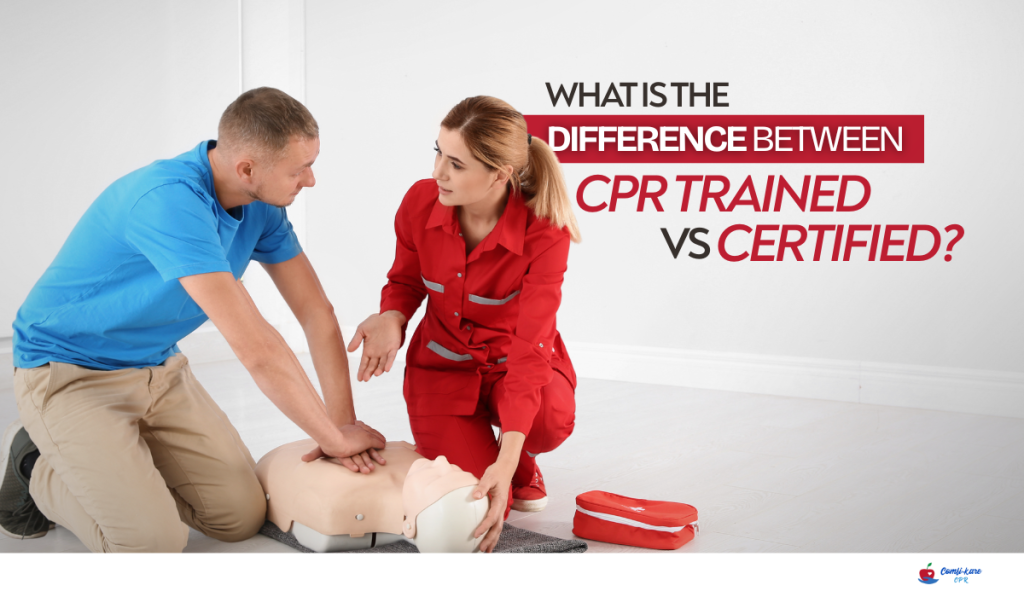
Someone who is CPR trained has learned the basic techniques — chest compressions and rescue breaths. The difference between CPR trained vs certified starts here. Training could come from many sources: an online video, a first aid seminar, or an informal class.
However, this type of training is not standardized. There is no official test, no formal evaluation, and no certificate issued. People who are only CPR trained may also not be current with the latest AHA guidelines.
Key characteristics of CPR-trained individuals:
- They are familiar with the basics of CPR
- They may have learned through informal or online sources
- They have not passed any official test
- They do not hold an official certification
- Their knowledge may not be up to date
CPR Certified: What Does It Mean?
Being CPR certified means completing formal training through a recognized organization — such as a certified local provider like Comfikare CPR, the American Heart Association (AHA) or the Red Cross. Participants learn both the theory and the practical aspects of CPR. They are then tested to make sure they can perform it correctly.
After completing the course, participants must pass an exam — usually a combination of written and practical components. If they pass, they receive an official CPR certification card. This card is valid for two years, after which it must be renewed. For those looking for CPR classes near me, many local providers offer both in-person and hybrid formats.
Key characteristics of CPR-certified individuals:
- They are formally trained by accredited institutions
- They learn the most recent guidelines and techniques
- They must pass a test to demonstrate their abilities
- They receive an official certification card
- Their certification has an expiration date and must be renewed
CPR Trained vs Certified: Key Differences
| CPR Trained | CPR Certified | |
| How you learn | Online video, informal class, seminar | Accredited provider like AHA or Comfikare CPR |
| Official test | No | Yes — written and practical exam |
| Certificate issued | No | Yes — official card |
| Valid for | No expiration | 2 years, then renewal required |
| Meets employer requirements | Rarely | Yes |
| Legal protection | Limited | Yes — Good Samaritan laws apply |
| Guidelines current | Not guaranteed | Yes — updated AHA standards |
| Confidence in emergency | Basic | Tested and proven |
The Importance of Certification
CPR-certified professionals are frequently required for certain positions — including healthcare workers, first responders, teachers, lifeguards, and childcare employees. These roles require individuals who have completed standardized training through a recognized provider like Comfikare CPR. Certification proves they are competent to perform CPR trained vs certified skills correctly.
CPR-trained individuals may know the basics, but they don’t have official proof their skills meet current standards. Certification assures employers and the public that those skills have been formally evaluated. Certified individuals are also typically more confident in their abilities during real emergencies — because they have practiced, been tested, and know they are prepared.
How CPR Certification Works
CPR certification combines classroom instruction with hands-on practice. Participants learn proper chest compression techniques, rescue breathing, and how to use an Automated External Defibrillator (AED).
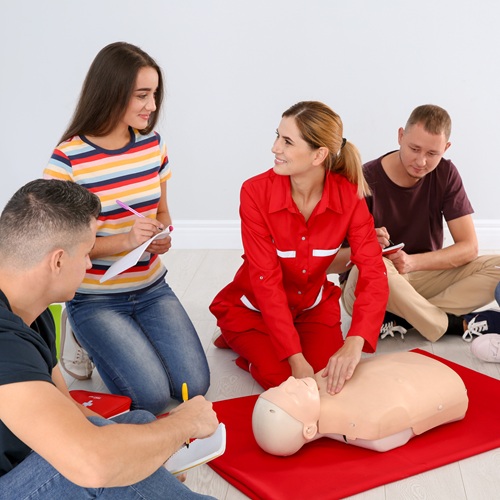
During training, students practice on mannequins and receive direct feedback from a certified instructor. After completing the exercises, they are assessed through a written and practical exam. If they pass, an official certification card is issued.
The card is valid for 2 years. After that, it must be renewed to ensure skills stay current with the latest CPR guidelines and techniques.
Why Certification Matters
- Professional requirements
Certain professions require CPR certification — including healthcare, childcare, and public safety roles. In many of these areas, certification is legally required. Training alone is not enough. Certification is the only way to prove you have the qualifications to perform these tasks correctly.
- Legal protection
Many states have Good Samaritan laws that protect people who help in emergencies from legal liability. Being certified significantly increases your chances of being covered. If you are only trained but not certified, you may face legal risk — especially if CPR is performed incorrectly. Certification proves you received proper, standardized training.
- Up-to-date skills
CPR guidelines change over time as research improves the techniques used. For example, the recommended ratio of chest compressions to rescue breaths has changed in recent years. Certification ensures your training reflects the latest AHA standards — something informal training cannot guarantee.
- Confidence
CPR-certified individuals are more confident in real emergencies. Certification courses include hands-on practice and live instructor feedback — so when a crisis happens, you are not guessing. People who are only trained may hesitate, and in an emergency hesitation costs lives.
How to Get Certified
If you want to become CPR certified, there are plenty of options available. You can take classes through recognized organizations like Comfikare CPR. Classes are available in person or online.
Look up CPR training classes near me to locate local alternatives. A lot of fire departments, hospitals, and community centers provide CPR certification. The courses online typically include training via a virtual platform and in-person assessment.
Find a class that fits your schedule and make sure to renew your certification every two years to keep your skills current.
What Happens During a CPR Certification Course?
In a typical certification course you will learn:
- How to perform chest compressions correctly
- How to give rescue breaths
- How to use an AED
- The most up-to-date CPR guidelines and techniques
You will practice on mannequins and get real-time feedback from a certified instructor. At the end you take a short exam — written and practical. Pass it and you walk out with an official certification card, ready to respond in a real emergency.
Are You CPR Trained or CPR Certified?
There is a difference — and now you know it. If you are only trained, it may be time to take the next step and get officially certified. It takes just a few hours and is valid for two years.
Looking for CPR classes in Frederick County or anywhere in Maryland? Comfikare CPR offers AHA-certified courses at your location, on your schedule. Contact us to get certified.
Conclusion
The difference between CPR trained vs certified comes down to one thing: official proof. Being trained means you know the basics. Being certified means you have been tested, you meet current standards, and you have the credentials to back it up.
Whether you need certification for your job or simply want to be ready when it matters most — both trained and certified individuals can save lives. But only one gives you the confidence, legal protection, and professional recognition to act without hesitation.
In a crisis, preparation is everything. Call Comfikare CPR at 240-676-4239 to reserve your spot in a CPR class today.
Frequently Asked Questions about CPR Trained vs Certified
What does CPR training mean?
CPR trained means having knowledge of the techniques but typically lacking formal evaluation, a certification card, or official workplace authorization.
Is CPR training the same as CPR certification?
No. CPR training gives you the knowledge. CPR certification proves it — through a formal test, hands-on assessment, and an official card issued by a recognized organization like the AHA.
When should you get certified instead of just trained?
If your job requires it, get certified. If you work with vulnerable populations — children, elderly, or patients — get certified. If you want legal protection under Good Samaritan laws, get certified. Training is a good start, but certification is the standard.
Are you more likely to get hired if you are CPR certified?
Yes. Many employers in healthcare, education, childcare, and public safety require CPR certification before hiring. Candidates without it are often screened out before the interview stage.
What does it mean if your CPR is certified?
It means you completed a formal course, passed a written and practical exam, and received an official certification card. Your skills have been evaluated and meet current AHA standards.
If you are CPR certified but not a medical professional, are you obligated to perform CPR?
In most states, no — you are not legally obligated. However, most states have Good Samaritan laws that protect you if you choose to help. Being certified means you are prepared to act confidently if you decide to step in.