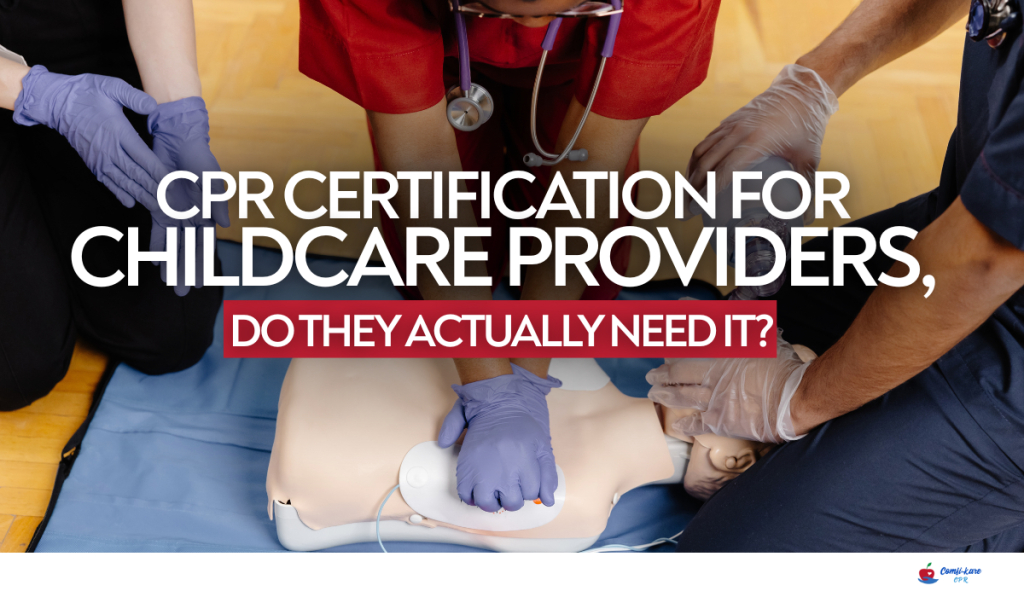
Short answer: yes. If you work in licensed child care in Maryland, CPR certification is not a nice-to-have. It is part of keeping children safe and part of staying compliant with state licensing. But the details matter, and they trip people up all the time. Which staff need it? Does first aid count too? Does an online card work? What about renewals?
This guide clears it up. Below is a plain-language look at CPR certification for childcare providers in Maryland: who needs it, what type of certification actually qualifies, how long it lasts, and how to get certified without wasting a day or your money. If you run a center, work in one, or provide care from your home, this is written for you.
Before you rely on any specific rule below: child care regulations change, and exact requirements depend on your license type and role. Always confirm the current details with the Maryland State Department of Education (MSDE) Office of Child Care or your licensing specialist before making a compliance decision.
Key Takeaways
- Maryland childcare providers need current CPR certification.
- Choose pediatric, AHA-recognized, hands-on training.
- Renew every two years.
- Comfi-Kare CPR offers same-day certification statewide.
Why CPR Certification Matters in Child Care
Start with the reason behind the rule. Young children are the group most likely to need CPR from choking, drowning, or a sudden breathing emergency. When seconds count, the adult in the room is the first responder, not the paramedic who is still minutes away. Bystander CPR can double or triple a person’s chance of survival, and in a child care setting, that bystander is you.
That is why states treat CPR and first aid as baseline requirements for people who care for children, not optional extras. The certification is not paperwork for its own sake. It is proof that the adults in charge know how to act when a child stops breathing.
Who Needs CPR Certification in a Maryland Child Care Program?
In general, Maryland requires staff in licensed child care programs to hold current CPR and first aid certification appropriate to the ages of children in their care. That typically includes:
- Center directors and staff in licensed child care centers.
- Family child care providers who care for children in their own home.
- Assistants and aides who are counted in staff-to-child ratios or left responsible for children.
- Anyone supervising children during care hours, including on field trips and during transport, depending on the program.
The exact rules on how many staff must be certified and at what moments can vary by license type and by how your program is structured. This is the piece to confirm directly with your licensing specialist, because “my coworker is certified” is not always the same as “the program meets the requirement at all times.”
Verify for your program: the specific number of certified staff required, whether it must be pediatric CPR, and the exact renewal window are set by current MSDE regulations. Check them against your license type before you assume you are covered.
What Type of CPR Certification Actually Qualifies?
This is where people waste money. Not every CPR card is accepted, and the wrong one can leave you out of compliance even though you “got certified.” Here is what to look for.
It should be pediatric-focused. Child care providers need training that covers infants and children, not just adults. Choking response, rescue breathing, and compression technique are different for a toddler than for a grown adult, and licensing expects age-appropriate skills. A Heartsaver CPR and AED course that includes adult, child, and infant training is the common fit for child care staff.
It should come from a recognized provider. Look for certification through the American Heart Association (AHA) or American Red Cross. These are the credentials licensing agencies and employers accept. A card from an unknown online-only outfit can be rejected, which means doing it all over again.
It usually needs to be hands-on. CPR is a physical skill, and many licensing frameworks require an in-person skills check, not a video-only course. A blended class, where you do the coursework online and complete a live skills session, can work, as long as the final card is AHA-issued and includes the in-person component. If you want the full comparison, read our guide on in-person vs online CPR certification.
First aid is often required too. Many child care rules pair CPR with a current first aid certification. Check whether your program needs both, and choose a class that covers them together to save a trip.
Does an Online-Only CPR Card Count?
Be careful here. A fully online CPR course with no hands-on skills check may not satisfy Maryland child care requirements, even if it hands you a certificate. Some of the cheapest online cards are not tied to a recognized standard at all, and a licensing inspector can reject them.
The safe path is in-person or blended training that ends with a live skills assessment and a recognized AHA card. It costs a little more time than clicking through videos, but it is the version that actually holds up when your license is on the line. A card you have to redo is the most expensive card there is.
How Long Does the Certification Last?
Most CPR and first aid certifications are valid for two years. After that, you need to recertify to stay current and compliant. Because a lapsed card can put your program out of compliance overnight, it is worth tracking every certified staff member’s expiration date and booking CPR recertification before it runs out, not after.
A simple shared calendar with each person’s renewal date saves you from the scramble of discovering an expired card during an inspection or, worse, during an emergency.
How to Get CPR Certified as a Childcare Provider
The process is straightforward when you pick the right provider:
- Confirm what your license requires. Check with your licensing specialist whether you need CPR, first aid, or both, and whether pediatric training is specified.
- Choose a recognized, pediatric-inclusive course. A Heartsaver CPR and AED course covering adult, child, and infant care is the usual fit.
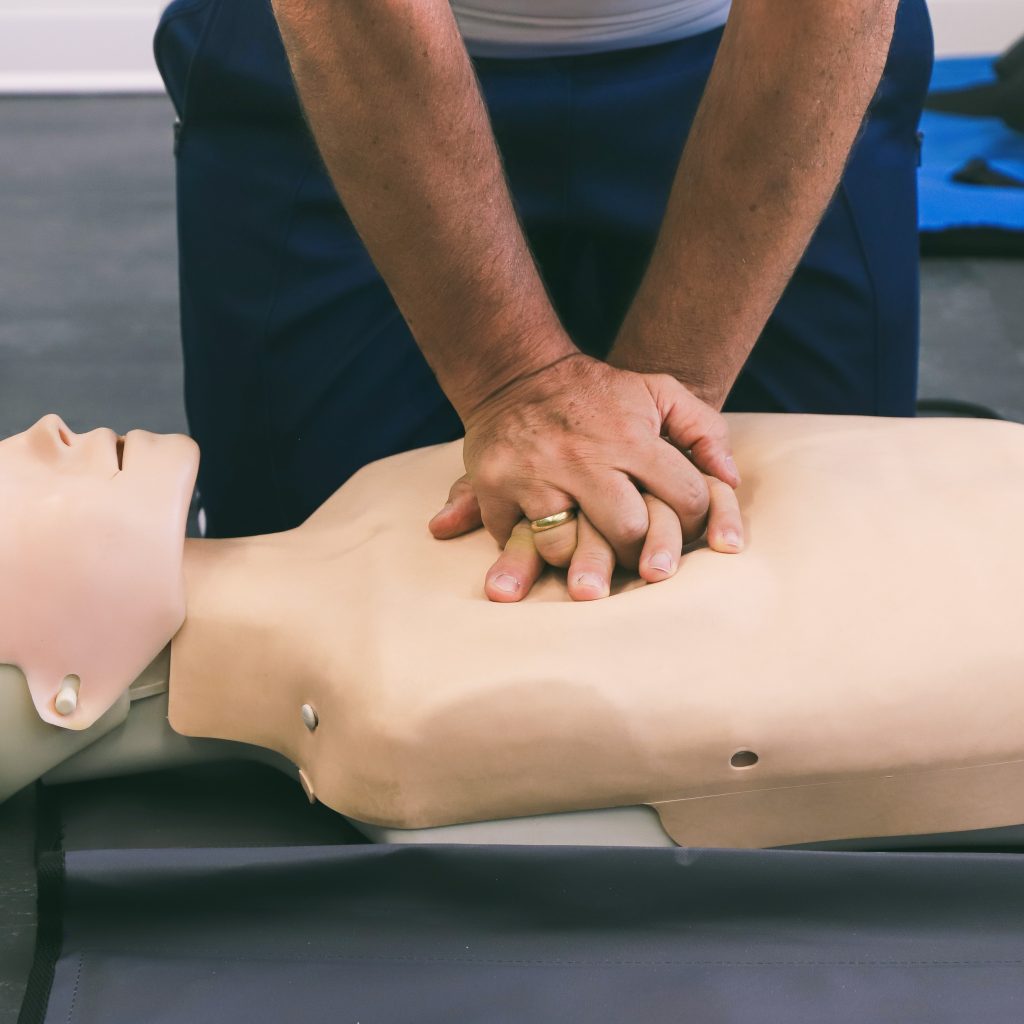
- Attend the in-person session. Practice compressions, rescue breaths, choking response, and AED use on manikins with an instructor watching.
- Pass the skills check. Complete the hands-on assessment and any written test.
- Get your same-day card. A good provider issues your official AHA digital certification card the same day, so you have proof immediately.
- Track your renewal. Mark the two-year expiration and rebook before it lapses.
Certifying a Whole Center or Group
If you run a center, sending staff to certify one at a time is a headache. Group and on-site training solves it. Many providers, including Comfi-Kare CPR, can bring a class to your facility and certify your team together on a schedule that does not shut down your program for a week. It keeps everyone’s cards on the same renewal cycle, which makes tracking far easier down the road.
For a group booking, ask about scheduling around your hours, whether first aid can be bundled in, and whether every participant walks out with a same-day card. Reach out through the Comfi-Kare CPR contact page to set one up.
Conclusion
For childcare providers in Maryland, CPR certification comes down to three things: get pediatric-inclusive training, get it from a recognized provider with a hands-on skills check, and keep it current on a two-year cycle. Do that, and you are both compliant and genuinely ready for the emergency you hope never comes. Cut corners with a video-only card, and you risk failing an inspection or, far worse, freezing in the moment a child needs you.
That is exactly the gap Comfi-Kare CPR fills. As an American Heart Association authorized provider, Comfi-Kare offers Heartsaver CPR, BLS, and first aid courses built for childcare staff, taught in person by certified instructors, with same-day AHA cards accepted by licensing agencies across Maryland. Individual providers and full center teams alike get flexible scheduling, on-site group options, and training that covers infants and children, not just adults. Contact Comfi-Kare CPR today.
Frequently Asked Questions about CPR Certification for Childcare Providers
Do childcare providers in Maryland need CPR certification?
Yes. Staff in licensed Maryland child care programs are generally required to hold current CPR and first aid certification appropriate to the ages of children in their care. The exact number of certified staff and the specific certification type depend on your license and role, so confirm current requirements with the Maryland State Department of Education Office of Child Care.
What kind of CPR certification do childcare providers need?
Child care staff typically need pediatric-inclusive CPR that covers infants, children, and adults, from a recognized provider like the American Heart Association. A Heartsaver CPR and AED course is a common fit. Many programs also require a current first aid certification alongside CPR.
Does online CPR certification meet Maryland childcare requirements?
A fully online course with no hands-on skills check may not qualify. CPR is a physical skill, and licensing often requires an in-person skills assessment. Choose in-person or blended training that ends with a live skills check and a recognized AHA card to be safe.
How often do childcare providers need to renew CPR certification?
Most CPR and first aid cards are valid for two years. Providers should recertify before the card expires to stay compliant. Tracking each staff member’s renewal date prevents a lapse from putting your program out of compliance.
Do I need first aid certification too, or just CPR?
Many Maryland child care rules require both CPR and first aid. Check your specific license requirement, and choose a class that covers both together so you only have to schedule one session.
Can my whole daycare staff get certified at once?
Yes. Group and on-site training lets a provider certify your team together, keeps everyone on the same renewal cycle, and avoids pulling staff away one at a time. Ask your training provider about scheduling a group class at your facility.