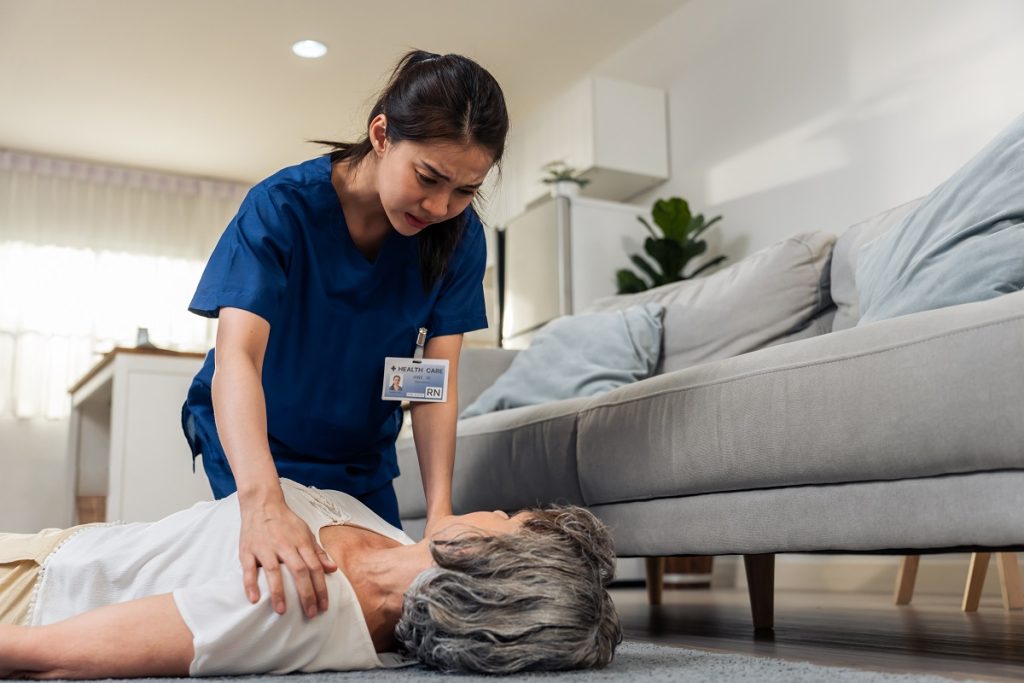
Caregiving today demands more than compassion. It requires steady action when seconds matter, a working knowledge of CPR, and the confidence to begin lifesaving steps immediately. Strong caregiver skills—and clear caregiver qualifications—include recognizing early warning signs, initiating high-quality compressions, managing ventilation effectively, and coordinating the scene until additional clinical support arrives. These are practical abilities you learn through disciplined training and realistic practice to protect patient health and safety.
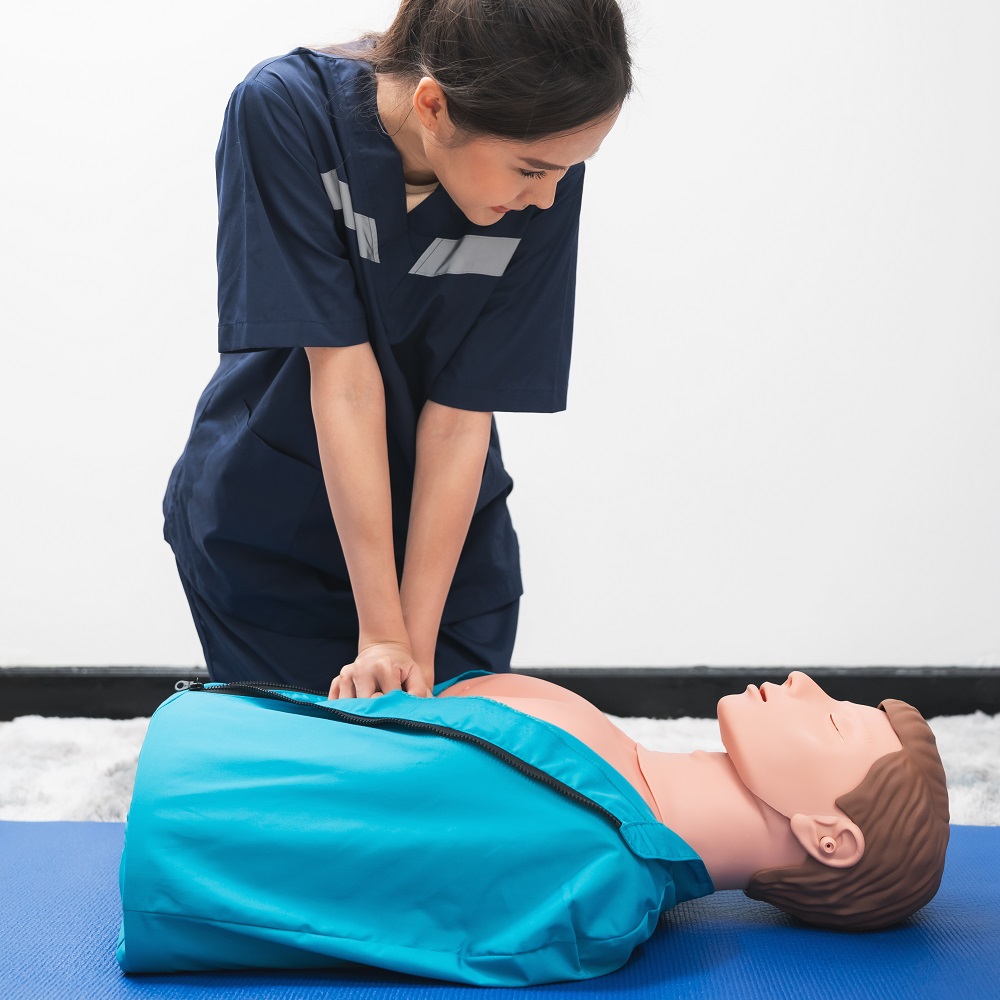
This blog explains how CPR training strengthens day-to-day care and why emergency readiness belongs in every caregiver’s toolkit. You’ll see how BLS fits the first minutes of response and how ACLS adds advanced decision-making used alongside clinical teams. The goal is clear, professional guidance that helps caregivers support seniors and other vulnerable patients in homes, clinics, and community settings.
Key Takeaways
- Caregiver skills turn CPR knowledge into decisive action
- BLS prepares immediate lifesaving steps, ACLS builds advanced response
- Training improves red-flag recognition and compression quality
- Prepared caregivers earn trust across home care and clinical settings
Caregiver Skills Today — Beyond Kindness and Routine
Caregiving now includes fast, clinical decision-making alongside daily support. Strong caregiver skills bridge comfort and medical readiness: spotting red flags early, starting CPR with confidence, and coordinating a safe scene until the clinical team arrives. This shift matters in homes, clinics, and community settings where seniors and other vulnerable patients depend on steady, professional care.
What separates capable from truly prepared is a set of practical habits built through training and repetition. These habits reduce hesitation, protect patient safety, and earn trust from families, home care agencies, and healthcare providers.
High-impact skills that go beyond the basics
- Recognize respiratory distress, sudden collapse, and silent hypoxia without waiting for equipment
- Act on stroke and cardiac warning signs using simple checklists and timelines
- Start compressions promptly, manage ventilation with visible chest rise, keep hands-off time low
- Use an AED without delaying CPR and keep pads accessible in common care areas
- Lead the scene with calm cues, assign roles, and plan compressor switches before fatigue sets in
- Document key times and observations for a cleaner handoff to arriving clinicians
- Debrief after events to reinforce what worked and close gaps in readiness
These skills keep care professional and reliable, turning knowledge into action when every second counts.
BLS and ACLS for Caregivers — What They Are and When You Use Them
Caregivers often face the first critical minutes of a medical crisis. BLS (Basic Life Support) gives you the skills to act immediately—recognize arrest, start quality compressions, provide effective breaths, and use an AED without delay. ACLS (Advanced Cardiovascular Life Support) builds awareness of cardiac rhythms and advanced airways and prepares you to support a clinical team during high-risk events. Together, they turn caregiver skills into a dependable system for early, organized response in homes, assisted living, and community settings.
What You Actually Learn and Apply
| Program | In Practice | Important Note |
| BLS (Basic Life Support) | Recognize unresponsiveness and abnormal breathing, begin compressions with minimal pauses, deliver one-second breaths with visible chest rise, and apply AED pads early while keeping compressions going. | This is the foundation for immediate action. |
| ACLS Awareness | Understand the code flow (shockable vs. non-shockable rhythms), prepare airway tools for licensed clinicians, anticipate compressor changes, track times, and provide a clear handoff when EMS arrives. | Unlicensed caregivers follow employer scope and local rules; ACLS training helps support clinicians without exceeding one’s role. |
First Five Minutes Playbook
| Time | Key Action | Quality Target |
| Minute 0–1 | Check responsiveness and breathing quickly, start compressions, bring the AED, announce roles. | Begin CPR within <30 seconds. |
| Minute 1–2 | Place pads during compressions, charge while compressing, brief rhythm check (<10 seconds), deliver shock if advised, resume compressions. | Hands-off time <10 seconds. |
| Minute 2–4 | Switch compressor at two minutes, give one-second breaths with visible chest rise, avoid over-ventilation, record key times. | Consistent compression quality. |
| Minute 4–5 | Prepare for the next rhythm check, confirm pad placement and battery, keep “no-flow” time low. | Maximize time on compressions. |
How this improves outcomes
- Better compression quality through planned switches and on-the-spot coaching
- Fewer interruptions by charging during compressions and keeping rhythm checks brief
- Safer ventilation with small, visible-rise breaths instead of over-inflation
- Stronger handoff using clear times, actions, and patient changes
A study revealed by the American Heart Association shows that early, high-quality CPR with rapid defibrillation improves survival and neurological outcomes.
The Real Difference Training Makes
Certification is the starting line. What elevates performance is repeated practice with clear goals and coaching. For caregivers, this turns caregiver skills into steady action under pressure—reliable compressions, clear decisions, and a smooth handoff to clinical teams.
How training upgrades real-world performance
- Faster first minute
Checks for responsiveness and breathing happen quickly, compressions begin in under 30 seconds, AED pads go on while compressions continue. - Cleaner ventilation
One-second breaths with visible chest rise, fewer episodes of over-ventilation, better timing with compressions. - Stronger compression quality
Depth and rate stay in range longer; planned switches prevent fatigue from degrading quality. - Shorter pauses
Rhythm checks stay under 10 seconds, charging occurs during compressions, “no-flow” time stays low around shocks. - Sharper scene management
Simple cues keep everyone aligned—“switch in 3-2-1, resume”—with roles assigned early and a clear timeline for EMS.
How BLS and ACLS Advance a Caregiver’s Career
Strong caregiver skills supported by BLS and ACLS training do more than improve emergency response—they raise professional credibility and day-to-day value across home care agencies and healthcare settings.
Where this training makes a career difference
- Hiring and pay: Many agencies list BLS as required and view ACLS as a plus for higher-acuity clients and facility shifts.
- Client and family trust: Clear communication during tense moments builds confidence and strengthens long-term relationships.
- Safer solo coverage: Trained caregivers manage the first minutes of a crisis with steady compressions, controlled ventilation, and early AED use.
- Cleaner handoffs: Accurate timelines and concise updates help EMS and hospital teams work faster and more safely.
- Professional growth: BLS/ACLS often align with paths into lead caregiver roles, trainer roles, or facility-based assignments.
A study published by the National Library of Medicine shows that caregivers who refresh BLS skills regularly deliver higher compression quality and reduce hands-off time during real events.
How to Take These Courses with Our AHA-Certified Training Center
At Comfi-Kare CPR we are an American Heart Association–certified training site offering BLS for caregivers and ACLS for roles that support clinical teams. Our goal is to build reliable caregiver skills that hold up under pressure.
What you’ll learn
- BLS for caregivers — High-quality compressions, effective breaths with visible chest rise, AED use from the first minutes, clear role cues, and smooth compressor switches.
- ACLS (as required by role) — Code flow awareness (shockable vs. non-shockable), airway readiness to support licensed clinicians, rhythm scenarios, organized timelines, and concise handoff to EMS.
Course length and format
- BLS: 4 hours (skills-focused session with scenario practice)
- ACLS: 5 hours (accelerated renewal-style format with targeted scenarios)
- Combo Course (BLS + ACLS): A structured day designed for caregivers who serve higher-acuity clients or coordinate closely with clinicians—ideal for home care teams that need both credentials without multiple visits.
Conclusion
Strong caregiver skills turn the first minutes of a crisis into clear, steady action. With solid CPR fundamentals, BLS for immediate response, and ACLS for advanced situations, caregivers protect patients, reassure families, and work smoothly with clinical teams. Consistent practice builds calm, focus, and confidence—qualities that matter every day in home care and facility settings.
Comfi-Kare CPR is an AHA-certified provider offering BLS, ACLS, and a convenient combo course. If your team needs practical, results-driven training that holds up under pressure, contact Comfi-Kare CPR to schedule your session or ask about the combo option for caregivers who need both in one day.
Frequently Asked Questions about Caregiver Skills
Do caregivers need BLS?
Yes. BLS is the standard for caregivers who may face breathing or cardiac emergencies. It covers CPR, AED use, and basic airway support so you can act in the first minutes.
How can I improve my caregiver skills?
Practice on feedback manikins, refresh BLS regularly, run short team drills, and keep simple checklists for red flags and first steps. Pair practice with real scenarios from your work setting.
What are the most important skills for a caregiver?
Calm first-minute action, quality chest compressions, safe ventilation with visible chest rise, early AED use, clear communication, and steady observation of changes in the person’s condition.
Is ACLS required for all caregivers?
Not always. BLS is the baseline. ACLS helps caregivers who work with higher-acuity clients or alongside clinical teams. Your employer and role will guide what’s needed.
How often should caregivers renew BLS?
Every two years is typical, but quarterly or monthly short practice sessions keep skills sharp. Many agencies schedule brief refreshers between formal renewals.